

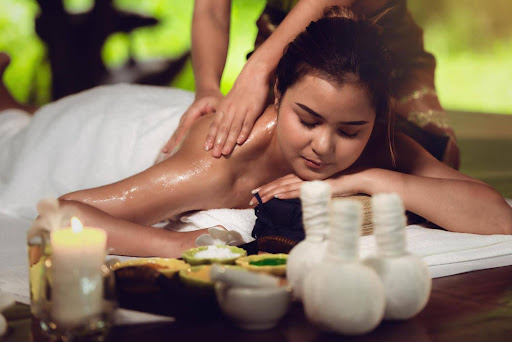
Thai massage is one of the world’s most fascinating and deeply rooted healing practices. Unlike regular massage therapies that rely mostly on kneading and oil-based strokes, this ancient technique blends stretching, acupressure, breathwork, and mindful movement. Many people today choose Thai massage in Dubai to experience this unique and powerful wellness therapy that has been refined for centuries and still continues to deliver incredible results for the body and mind.
A Glimpse Into History and Origins
Traditional Thai massage has connections that trace back more than 2,500 years. Although exact historical records are limited, many believe it originated through the influence of ancient Indian healing traditions and Buddhist medicinal philosophy. It is often associated with Dr. Jivaka Kumar Bhaccha, also known as the physician to Buddha, who is said to have practiced and shared these therapeutic techniques. Over time, these healing methods evolved in Thailand, incorporating local wisdom, bodywork knowledge, and spiritual practices, making Thai massage not just a therapy but a cultural heritage.
What Makes Thai Massage Different?
Thai massage stands apart because it is highly interactive. Instead of lying passively on a massage table, the recipient typically lies on a padded mat placed on the floor. The therapist uses their hands, thumbs, elbows, forearms, and sometimes even knees and feet to apply rhythmic pressure while guiding the body into stretches and yoga-like postures. Think of it as “assisted yoga,” where the therapist does all the work, and you simply relax and allow your body to move.
Another interesting aspect is that traditional Thai massage does not require oil. Loose, comfortable clothing is usually worn so the body can move freely. Because of this, the therapy feels grounded, deeply connected, and physically engaging, yet it remains incredibly relaxing.
The Philosophy Behind the Therapy
Thai massage follows the belief that the body contains invisible energy pathways known as “Sen lines.” When these lines become blocked or flow is restricted, physical discomfort, fatigue, emotional stress, or mental imbalance may occur. The purpose of Thai massage is to reopen these pathways and stimulate the natural flow of energy. Through pressure, stretching, and mindful touch, the therapy encourages balance, alignment, and harmony within the body.
Key Techniques Used in Thai Massage
Thai massage is a rich blend of multiple therapeutic elements. Some of the primary techniques include:
-
Stretching Movements
Therapists guide the recipient through carefully structured stretches inspired by yoga. These movements lengthen tight muscles, release stiffness, and improve flexibility. The stretches are slow, controlled, and deeply relieving.
-
Acupressure and Pressure Point Work
Pressure is applied to specific points along the body’s energy channels to stimulate circulation and remove blockages. This helps alleviate muscular pain and supports internal organ function.
-
Compression and Rocking Techniques
Gentle pressing, rolling, and rocking motions relax tense muscles, calm the nervous system, and enhance lymphatic flow, helping the body release stored stress.
-
Joint Mobilization
Thai massage also helps loosen joints, improve movement, and reduce stiffness, especially in the spine, shoulders, hips, and knees.
Benefits of Traditional Thai Massage
Thai massage offers benefits far beyond relaxation. Its impact covers physical, emotional, and mental well-being.
-
Enhances Flexibility and Mobility
The assisted stretching techniques help increase range of motion, making muscles more elastic and joints more functional. This is highly beneficial for athletes, fitness enthusiasts, and anyone with a sedentary lifestyle.
-
Reduces Pain and Muscle Tension
Targeted pressure helps release knots, stiffness, and chronic muscular discomfort. Many people experience relief from back pain, neck strain, shoulder tightness, and joint problems.
-
Boosts Energy and Vitality
By stimulating energy pathways, Thai massage helps fight fatigue, improves body balance, and restores vitality. Recipients often feel lighter, refreshed, and more energized.
-
Improves Circulation
The rhythmic pressure and body movements enhance blood flow, help tissues receive better oxygen, and support overall physiological functioning.
-
Supports Mental Relaxation
Thai massage also nurtures emotional calmness. The slow, mindful pace encourages the mind to slow down, reduces anxiety, and brings a soothing sense of clarity and peace.
What to Expect in a Thai Massage Session
A typical Thai massage session begins with a brief consultation to understand your comfort level, pain points, or any medical considerations. You will lie comfortably on a padded mat. The therapist will slowly begin working through different sections of your body, applying pressure, stretching muscles, and mobilizing joints. The experience may sometimes feel intense, especially if your body holds tension, but it should never feel painful. Communication with your therapist helps ensure everything remains comfortable.
Unlike conventional spa massages, you remain clothed, and no oils are used. The experience feels grounding, connected, and deeply soothing. By the end of the session, most people describe a feeling of lightness, relief, and renewed energy.
Purpose of Thai Massage in Modern Life
In today’s busy world filled with stress, posture problems, digital fatigue, and emotional strain, Thai massage has become more relevant than ever. It supports overall wellness rather than only relaxing the body. It helps improve posture, enhances body awareness, supports recovery, relieves stress, and encourages a healthier balance between body and mind.
Conclusion
Thai massage is far more than a wellness trend it is a meaningful healing tradition that continues to benefit people globally. With its unique blend of stretching, pressure work, and mindful body movement, it offers relief, rejuvenation, and renewed energy. Whether you are seeking pain relief, flexibility improvement, or deep relaxation, this massage provides a holistic experience that nurtures both the body and mind, making thailand massage in dubai a truly enriching wellness choice.
If someone is looking to explore authentic Thai massage in Dubai, places like Carval Health Spa in Business Bay offer thoughtfully delivered sessions that feel therapeutic rather than just indulgent. Their environment is calm, therapists are skilled, and the experience focuses on real relaxation and wellness support. It’s the kind of space where your body can unwind naturally, your mind can slow down, and your stress gently fades, allowing you to reconnect with balance and comfort.