

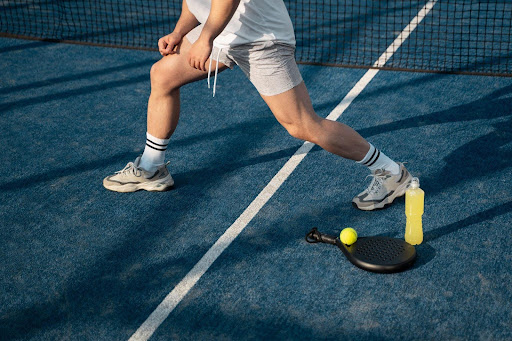
Court surfaces are designed to withstand regular play, weather exposure, and long-term use. However, even the most well-built courts can deteriorate quickly if early warning signs are ignored. Small cracks, fading finishes, and uneven textures may appear harmless at first, but they often signal deeper structural issues. Addressing these concerns early, supported by the best padel court maintenance, helps prevent costly repairs and preserves both performance and safety over time.
Why Minor Surface Issues Should Never Be Ignored
Early surface damage often begins subtly. Hairline cracks, slight color fading, or minor rough patches can develop due to constant foot traffic, equipment use, and environmental exposure. While these issues may not immediately disrupt gameplay, they allow moisture and debris to penetrate the surface layers.
Once water enters cracks, it weakens the foundation beneath. Over time, this leads to expansion, uneven surfaces, and material breakdown. What could have been resolved with targeted surface repair may eventually require full resurfacing if neglected. Early repairs act as a protective barrier, preventing small imperfections from evolving into major structural failures.
The Role of Climate and Environmental Exposure
Outdoor courts face continuous stress from sunlight, temperature fluctuations, wind, and humidity. Prolonged sun exposure can dry out surface coatings, reducing elasticity and increasing brittleness. As surfaces lose flexibility, they become more prone to cracking under pressure.
Moisture is another significant factor. Rainwater or humidity that seeps into damaged areas accelerates material erosion. In regions with fluctuating temperatures, expansion and contraction further widen cracks. Routine inspections allow facility managers to identify these risks early and apply timely repairs that reinforce the surface before more serious damage occurs.
How Early Repairs Improve Player Safety
Surface deterioration directly affects player safety. Uneven areas, loose coatings, or slippery patches increase the risk of slips, trips, and joint strain. Even slight inconsistencies in surface texture can impact movement and balance during fast-paced play.
Early surface repairs restore uniform traction and predictable ball behavior. This consistency allows players to focus on performance rather than compensating for surface irregularities. Maintaining a safe playing environment is not only a matter of comfort but also a responsibility for facility operators who aim to reduce injury risks.
Cost Benefits of Preventive Surface Maintenance
One of the most compelling reasons to invest in early repairs is cost efficiency. Minor crack sealing, surface patching, or localized recoating typically requires less time, fewer materials, and minimal downtime. These interventions extend the lifespan of the court without disrupting regular use schedules.
In contrast, major surface failures demand extensive repairs, including base reconstruction and full resurfacing. These processes are significantly more expensive and may render the court unusable for extended periods. Preventive maintenance shifts expenses from reactive repairs to planned upkeep, allowing better budget control and long-term savings.
Maintaining Consistent Playing Performance
Court performance depends heavily on surface integrity, which is why the best padel court maintenance practices focus on identifying early wear before it impacts play. Early damage affects ball bounce, speed, and player movement. Cracks or worn areas can cause unpredictable ball trajectories, diminishing the quality of play and increasing frustration among users.
Timely surface repairs help maintain consistent playing characteristics. Smooth finishes, even textures, and stable coatings ensure predictable performance across the entire court. This consistency is especially important for facilities hosting competitive matches or training sessions where accuracy and reliability are essential.
Extending the Life Cycle of Court Surfaces
Every court surface has a natural lifespan influenced by usage intensity and maintenance quality. Early repairs significantly extend this lifespan by slowing material degradation. Regular inspection schedules identify vulnerable areas before they compromise the entire surface.
Mid-cycle maintenance, including crack treatment and localized resurfacing, strengthens high-wear zones such as baselines and service areas. By reinforcing these sections early, facilities delay the need for complete resurfacing and maximize the return on initial construction investment.
Supporting Sustainable Facility Management
Preventive maintenance aligns with sustainable facility practices. Early repairs reduce material waste by preserving existing surfaces rather than replacing them entirely. This approach minimizes resource consumption and lowers the environmental impact associated with large-scale reconstruction.
Additionally, efficient maintenance schedules reduce energy usage linked to heavy equipment and extended repair operations. Facilities that prioritize early surface care contribute to more responsible asset management while maintaining high-quality playing environments.
Planning a Proactive Inspection Routine
Effective early repair strategies begin with regular inspections. Visual checks should focus on surface texture, color consistency, joint integrity, and drainage efficiency. Identifying small defects early allows maintenance teams to act quickly with targeted solutions.
Documenting inspection findings also helps track wear patterns and anticipate future maintenance needs. This proactive approach ensures repairs are planned rather than reactive, reducing unexpected disruptions and extending surface performance.
The Importance of Drainage and Surface Stability
Drainage efficiency plays a critical role in preventing surface deterioration. Poor water runoff allows moisture to pool, increasing the likelihood of surface softening and structural weakening. Even well-constructed courts can experience premature damage if drainage systems are blocked or poorly maintained.
Early surface repairs often include addressing minor drainage issues, ensuring water is directed away from playing areas. Stable drainage supports surface longevity and helps preserve consistent playing conditions throughout the year.
When Professional Assessment Becomes Essential
While minor surface issues can be identified through routine checks, professional assessments provide deeper insights into structural health. Specialists use advanced tools to evaluate surface bonding, moisture levels, and base stability.
Professional evaluations help distinguish cosmetic wear from structural concerns. This clarity ensures repairs address root causes rather than symptoms, preventing recurring damage and improving long-term durability.
Conclusion
Early surface repairs play a vital role in preventing major court damage. By addressing small issues promptly, facilities protect player safety, control costs, and extend surface lifespan. Proactive care preserves performance quality, supports sustainability, and reduces long-term operational disruptions.
In this context, Padel Factory applies a measured, technical approach to court development and long-term care. Drawing on experience as a premium padel courts factory in UAE, the focus remains on surface reliability, material selection, and lifecycle efficiency. This balanced perspective supports informed maintenance decisions while prioritizing performance consistency over short-term fixes.