How to Organize Your Warehouse Efficiently with Plastic Storage Containers
A well-organized warehouse is essential for smooth operations, quick order fulfillment, and a safe working environment. By incorporating plastic storage…
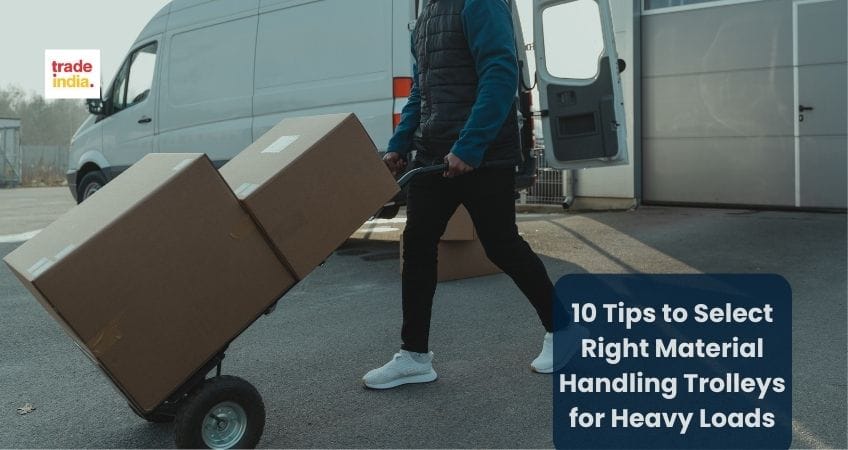
A well-organized warehouse is essential for smooth operations, quick order fulfillment, and a safe working environment. By incorporating plastic storage containers into your system, businesses can maximize floor space, simplify inventory management, and create a structured workflow. When combined with material-handling equipment like a platform trolley, the entire warehouse becomes more efficient, productive, and easy to navigate.
1. Choose the Right Types of Plastic Storage Containers
The first step toward organizing your warehouse is selecting the right kinds of plastic storage containers. These containers come in a variety of shapes, sizes, and designs, including stack-and-nest bins, square bins, large rectangular bins, crates, and heavy-duty tubs. Their durable plastic construction makes them suitable for storing everything from small parts and tools to bulky items and raw materials.
Stack-and-nest bins are excellent for small components and everyday items. They can stack securely when full and nest neatly when empty, helping save valuable space. Larger bins such as pallet bins or rotomoulded tubs are ideal for heavier or bulk materials. By choosing the proper containers, you ensure your warehouse layout accommodates every type of product effectively.
2. Organize by Category and Label Everything Clearly
Once you have your containers, categorize your inventory. Group similar items together so employees know exactly where each product belongs. Clear labeling is essential—labels help workers quickly identify items without needing to open every container. This minimizes searching time and reduces the risk of misplacing stock.
Many containers are designed with smooth surfaces or label holders, making it simple to tag each bin. A well-labeled bin system keeps your warehouse tidy and significantly speeds up picking and packing tasks.
3. Design a Smart, Accessible Layout
Organizing your warehouse is not just about containers—it’s also about layout. Place frequently used items in easy-to-reach locations near workstations. Use shelves and racks to store containers vertically, freeing up floor space. Keep heavy or bulk items in lower areas to avoid strain during retrieval.
Stackable containers help make the most of vertical space, while nestable ones reduce storage needs when not in use. A structured layout ensures workers move efficiently from one zone to another, eliminating wasted time.
4. Improve Daily Workflow with a Platform Trolley
Incorporating a platform trolley into your workflow enhances productivity significantly. These trolleys are designed to carry multiple containers at once, reducing the number of trips needed to move goods around the warehouse. Whether you’re transporting small parts in bins or large bulky items in crates, a platform trolley offers stability and mobility.
Using a platform trolley also improves safety. Instead of lifting and carrying heavy items manually, workers can roll them across the warehouse with less physical strain. This supports better ergonomics and reduces the risk of workplace injuries.
5. Implement Proper Stock Rotation
Efficient stock rotation keeps inventory fresh, organized, and easy to track. Use FIFO (first-in, first-out) methods to ensure older stock is used before newer arrivals. Plastic containers make this simple—each bin can represent a batch, date, or product group.
Trolleys assist with rotation by helping staff move containers between shelves quickly and safely. Proper rotation prevents clutter, reduces product loss, and maintains a smooth operational flow.
6. Maintain and Clean Your Storage System Regularly
To ensure your warehouse stays organized, regularly clean your plastic storage containers and inspect them for signs of wear. Dust, spills, or residue can accumulate over time, so periodic cleaning keeps them hygienic and looking professional.
Similarly, maintain your warehouse trolleys. Check the wheels, frame, and handles of each trolley to ensure they remain in good working condition. Proper maintenance extends the life of your equipment and keeps your warehouse running smoothly.
Conclusion
Organizing your warehouse efficiently begins with a solid system built around reliable plastic storage containers and a durable platform trolley. By choosing the right bins, creating a clear layout, labeling inventory, and using trolleys to move goods efficiently, you create a streamlined environment that enhances workflow, boosts productivity, and supports safety. With the right organization strategy, your warehouse becomes faster, cleaner, and more efficient — helping your business operate at its best.