Innovations in Financial Technology Shaping the Future of Banking Operations
The banking industry is undergoing a major transformation as institutions embrace advanced technologies to improve efficiency and customer satisfaction.…
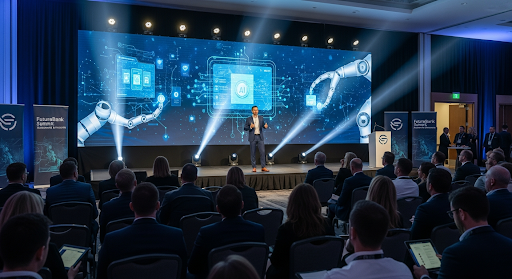
The banking industry is undergoing a major transformation as institutions embrace advanced technologies to improve efficiency and customer satisfaction. Banks are leveraging artificial intelligence, robotic process automation, and smart analytics to optimize daily operations. During a recent banking automation event, attendees witnessed live demonstrations of automated loan approvals, fraud detection systems, and digital onboarding tools that showcase the future of finance. These innovations are not just streamlining internal processes but also redefining how banks interact with customers. Financial institutions are increasingly prioritizing operational efficiency without compromising on security.
Key Trends Driving Banking Innovation
The modern banking landscape is influenced by a mix of technology, regulatory shifts, and changing customer expectations. Several trends are shaping how banks operate and interact with their clientele:
- Artificial Intelligence and Machine Learning: AI-powered chatbots, predictive analytics, and credit scoring models are improving service speed and personalization.
- Robotic Process Automation (RPA): Routine tasks, including data entry, report generation, and transaction monitoring, are now automated, freeing employees to focus on high-value activities.
- Digital Payment Ecosystems: Mobile wallets, blockchain-based settlements, and instant payment platforms are reshaping the way money moves across borders.
- Cybersecurity Enhancements: As digital banking grows, so does the need for robust fraud detection systems, encryption protocols, and real-time monitoring.
- Regulatory Technology (RegTech): Automated compliance tools help banks stay aligned with evolving regulations while reducing operational burden.
These trends are interconnected, creating an ecosystem where efficiency, security, and customer experience reinforce each other. The insights from the recent banking conference event showcased real-world applications of these technologies, offering attendees a roadmap for future implementation.
Benefits of Attending Industry Gatherings
Participation in financial technology events provides banking professionals with unique advantages that extend beyond traditional learning:
- Networking Opportunities: Industry leaders, regulators, and tech innovators gather, enabling collaboration and partnership.
- Knowledge Sharing: Attendees gain insights into the latest trends, success stories, and challenges faced by peers worldwide.
- Hands-on Demonstrations: Interactive sessions allow participants to experience cutting-edge solutions firsthand.
- Strategic Planning: Exposure to diverse technologies and strategies equips decision-makers to plan for digital transformation effectively.
Experts often note that attending such events fosters innovation within organizations. By understanding how competitors and technology providers approach challenges, banks can accelerate their own digital journeys.
Integrating Automation into Banking Systems
Successful adoption of banking automation requires a thoughtful strategy that balances technology with human oversight. Some key steps include:
- Process Assessment: Identifying repetitive, rule-based tasks suitable for automation.
- Technology Selection: Choosing AI, RPA, and analytics platforms that align with institutional goals.
- Employee Training: Preparing staff to manage and oversee automated workflows effectively.
- Customer Experience Focus: Ensuring automation improves speed, accuracy, and service personalization.
- Continuous Monitoring: Measuring performance and making iterative improvements to optimize outcomes.
Case studies presented at the banking conference event revealed that banks implementing automation in customer onboarding saw turnaround times cut by over 50%, while fraud detection accuracy improved significantly. Such measurable benefits demonstrate the tangible impact of technology on operational efficiency.
Addressing Challenges in Financial Technology
While automation and digital innovation offer immense benefits, they also introduce new challenges that institutions must navigate carefully:
- Data Privacy Concerns: Handling sensitive customer information requires strict adherence to privacy laws and best practices.
- Legacy Systems: Integrating new solutions with existing infrastructure can be complex and costly.
- Change Management: Employees may resist changes, requiring clear communication and training initiatives.
- Regulatory Compliance: Automation must align with local and international banking regulations to avoid penalties.
- Cybersecurity Threats: Digital transformation increases exposure to cyberattacks, necessitating advanced security measures.
These challenges were a major discussion point during the recent banking automation event, with industry experts sharing practical approaches to mitigate risks while maximizing innovation.
The Role of Collaboration in Financial Innovation
Collaboration between banks, fintech startups, technology providers, and regulators is essential for successful transformation. Events such as banking conference events provide a platform for sharing ideas and fostering partnerships that drive industry-wide progress. Collaborative efforts allow institutions to test new technologies, address compliance hurdles, and accelerate innovation in a controlled environment.
Successful collaborations highlighted at these events included cross-industry projects focusing on:
- Blockchain-based transaction verification
- AI-driven credit scoring for underserved markets
- Cloud-enabled core banking solutions
- Automated compliance reporting systems
By bringing together diverse expertise, banks can implement solutions more efficiently, avoid common pitfalls, and deliver better services to customers.
Preparing for the Future of Banking
The future of banking lies in continuous innovation and adaptability. Institutions must embrace digital transformation while remaining responsive to evolving customer needs. Some strategies to prepare for future trends include:
- Investing in Talent: Hiring and training employees with digital skills and innovative mindsets.
- Agile Implementation: Piloting new technologies on a small scale before full-scale deployment.
- Customer-Centric Approach: Using data and analytics to anticipate needs and improve experiences.
- Sustainable Practices: Leveraging technology to reduce environmental impact and promote ethical banking.
The insights gained from banking automation events equip institutions to stay ahead of the curve, ensuring resilience and competitiveness in an ever-changing financial landscape.
Promoting Global Engagement
Financial events are not limited to regional participation; they have become a global platform for knowledge exchange. Participation in international gatherings enables banks to benchmark strategies, explore emerging technologies, and connect with thought leaders worldwide. Attending a banking conference event provides exposure to best practices and innovations that may not yet be implemented locally, offering a competitive edge.
Conclusion
In conclusion, the banking industry is in the midst of a profound transformation driven by technology. By attending industry gatherings, exploring automation solutions, and embracing innovation, financial institutions can enhance efficiency, security, and customer satisfaction.
The combination of insights from banking automation events and strategies discussed at banking conference events equips professionals with the knowledge to navigate challenges and implement transformative solutions. For professionals interested in expanding their global perspective, the World Financial Innovation Series (WFIS) – Vietnam is an ideal opportunity. This event gathers leading banks, fintech innovators, regulators, and technology providers to explore cutting-edge solutions and collaborative opportunities in financial innovation. Attendees can benefit from interactive sessions, panel discussions, and networking opportunities designed to inspire actionable insights.