How Knowledge-Sharing Platforms Are Transforming Financial Services in Africa
The financial services sector across East Africa has been undergoing rapid transformation driven by technology, regulatory evolution, and changing…
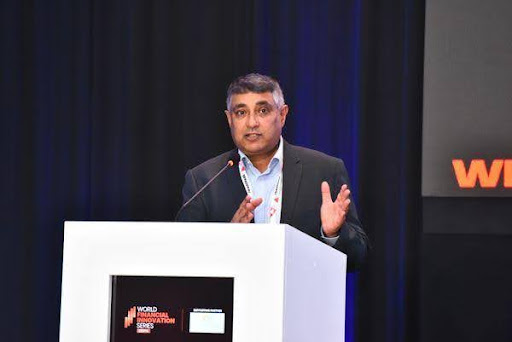
The financial services sector across East Africa has been undergoing rapid transformation driven by technology, regulatory evolution, and changing customer expectations. Kenya, in particular, has emerged as a regional leader in financial innovation, digital payments, and inclusive banking models. Events such as a banking exhibition in Kenya play a vital role in bringing together industry stakeholders, innovators, regulators, and solution providers under one roof. These platforms help organizations understand market needs, showcase advancements, and build partnerships that support long-term financial growth. As the industry continues to modernize, such gatherings are becoming essential for knowledge exchange and strategic collaboration.
Kenya as a Regional Financial Hub
Kenya’s reputation as a financial and technology hub did not develop overnight. Years of investment in digital infrastructure, supportive regulatory frameworks, and a strong entrepreneurial ecosystem have positioned the country as a gateway to East African markets. Financial institutions operating in Kenya often pilot new technologies here before scaling them across the region.
The country’s strong mobile penetration, widespread use of digital wallets, and openness to innovation have encouraged banks and fintech firms to continuously improve their offerings. As competition increases, institutions are seeking platforms that allow them to benchmark their services, learn from peers, and explore emerging trends that can help them remain relevant in a fast-evolving environment.
Role of Industry Events in Financial Development
Industry-focused events serve as catalysts for progress within the financial sector. They provide structured environments where ideas can be exchanged efficiently and where organizations can gain insights into global and regional developments. These gatherings also support alignment between regulators and service providers, ensuring that innovation progresses responsibly.
Through expert panels, live demonstrations, and focused discussions, participants gain clarity on topics such as digital transformation, cybersecurity, compliance, customer experience, and financial inclusion. The knowledge shared during these events often translates into actionable strategies that banks and financial service providers can implement after returning to their organizations.
Knowledge Sharing and Skill Enhancement
One of the most significant benefits of financial industry gatherings is the opportunity for learning. Professionals from different backgrounds, including banking, technology, risk management, and policy, come together to share experiences and best practices. This cross-functional interaction helps participants understand challenges from multiple perspectives.
Workshops and keynote sessions often focus on practical solutions rather than theory alone. Attendees gain exposure to real-world case studies that highlight successful implementations and lessons learned from failed initiatives. This practical approach helps decision-makers make informed choices when investing in new systems or partnerships.
Technology as a Key Driver of Change
Technology has become the backbone of modern financial services. From core banking upgrades to artificial intelligence-driven analytics, the tools used by banks today are vastly different from those of a decade ago. Events dedicated to financial services provide a platform for technology providers to demonstrate how their solutions address current industry challenges.
During such gatherings, discussions around banking solution kenya offerings often highlight the importance of scalability, security, and customer-centric design. Institutions are increasingly looking for solutions that can integrate seamlessly with existing systems while supporting future growth. Exposure to a wide range of providers allows banks to compare options and identify technologies that align with their strategic goals.
Strengthening Collaboration Across the Ecosystem
Collaboration is essential for building a resilient financial ecosystem. Banks, fintech startups, payment service providers, and regulators all play interconnected roles. Industry platforms encourage dialogue that helps break down silos and foster partnerships that benefit the entire sector.
These collaborations often lead to co-creation of products and services that address underserved markets. By working together, traditional banks and innovative startups can combine stability with agility, resulting in solutions that are both reliable and innovative. Such partnerships are increasingly important in addressing financial inclusion and expanding access to formal banking services.
Regulatory Engagement and Compliance Awareness
Regulation remains a critical factor in financial services. Staying compliant while innovating can be challenging, especially in a rapidly changing technological environment. Industry events provide opportunities for regulators to communicate expectations clearly and for institutions to ask questions directly.
Open dialogue helps reduce uncertainty and builds trust between regulators and market participants. It also ensures that new products and services are developed within appropriate legal frameworks, reducing the risk of future disruptions. For financial institutions, this engagement is invaluable in aligning business strategies with regulatory requirements.
Focus on Customer-Centric Banking
Customer expectations have evolved significantly, driven by experiences in other digital industries. Today’s banking customers expect convenience, personalization, and transparency. Financial industry platforms often emphasize the importance of designing services around customer needs rather than internal processes.
Sessions focused on user experience, data analytics, and service design help institutions understand how to improve customer journeys. By learning from successful examples, banks can identify ways to enhance satisfaction, build loyalty, and differentiate themselves in competitive markets.
Supporting Financial Inclusion Goals
Financial inclusion remains a priority across Kenya and the wider region. Millions of individuals and small businesses still lack access to formal financial services. Industry gatherings often highlight innovative models that address this challenge through technology and partnerships.
Mobile banking, agent networks, and digital lending platforms have already made significant progress in expanding access. Continued discussion and collaboration are necessary to ensure that these solutions remain sustainable and inclusive. By sharing insights and data, stakeholders can refine approaches that balance profitability with social impact.
Measuring the Long-Term Impact
The true value of financial industry events lies in their long-term impact rather than immediate outcomes. Connections made, ideas exchanged, and strategies refined during these gatherings often influence decisions months or even years later. Institutions that actively participate tend to be better prepared for change and more responsive to emerging trends.
Regular participation also helps organizations maintain visibility within the industry. This visibility can support brand positioning, talent attraction, and partnership development. Over time, these benefits contribute to stronger, more adaptable financial institutions.
Conclusion
As Kenya continues to strengthen its position as a financial innovation leader, platforms that bring together industry stakeholders will remain essential. They support learning, collaboration, and responsible growth across the sector. For organizations seeking meaningful engagement and regional exposure, WFIS Kenya stands out as a trusted platform that connects banks, technology providers, and regulators in a focused and impactful environment. Participating in WFIS Kenya offers the opportunity to showcase expertise, explore partnerships, and contribute to the future of financial services in East Africa.