Why Top Cybersecurity Expos Are Essential for Modern IT Leaders
The role of today’s IT leader has evolved far beyond managing infrastructure and keeping systems online. In an era defined by cloud adoption, AI-driven…
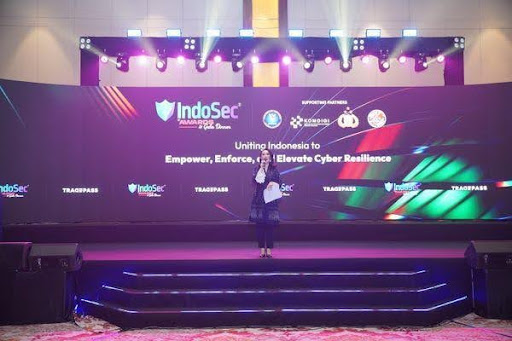
The role of today’s IT leader has evolved far beyond managing infrastructure and keeping systems online. In an era defined by cloud adoption, AI-driven automation, remote workforces, and tightening regulations, cybersecurity has become a board-level priority. Threat actors are more sophisticated, attack surfaces are wider, and the consequences of failure are severe. This is why top cybersecurity expos have become essential touchpoints for modern IT leaders who want to stay ahead rather than react after damage is done.
These large-scale gatherings are no longer just trade shows. They function as strategic ecosystems where knowledge, technology, and leadership intersect. For CISOs, CIOs, and senior security professionals, attending the right cybersecurity networking meetups can directly influence decision-making, resilience, and long-term digital strategy.
A Changing Threat Landscape Demands Continuous Learning
Cyber threats today are dynamic, automated, and increasingly powered by artificial intelligence. Malware can adapt in real time, phishing campaigns are personalized at scale, and supply chain attacks can compromise entire ecosystems. Traditional training and static frameworks struggle to keep pace with these realities.
At cybersecurity expos, IT leaders gain exposure to the latest threat intelligence directly from practitioners who are actively defending organizations across industries. Keynotes, panel discussions, and technical sessions provide forward-looking perspectives on how attackers operate and how defenses must evolve. This real-time knowledge is difficult to replicate through reports or online research alone.
Strategic Visibility Into Emerging Technologies
One of the most valuable aspects of major expos is the ability to evaluate emerging security technologies in a single environment. Modern IT leaders are expected to make informed investments across areas such as zero trust architecture, cloud security, identity management, and AI governance.
Rather than relying on vendor marketing claims, cybersecurity expos allow leaders to compare solutions side by side, ask technical questions, and understand how tools integrate into existing environments. Live demonstrations and use-case discussions help decision-makers assess not only what a product does, but whether it aligns with their organization’s maturity and risk profile.
Peer Benchmarking and Real-World Insights
Cybersecurity strategy does not exist in isolation. Understanding how peers approach similar challenges provides valuable context for internal planning. At high-level cybersecurity networking events, IT leaders engage with counterparts from government, finance, healthcare, energy, and digital enterprises.
These conversations enable informal benchmarking. Leaders can gauge whether their security posture is lagging, aligned, or ahead of the curve. More importantly, they gain insight into what has worked and what has failed in real-world environments. Lessons shared by peers often carry more practical value than theoretical frameworks.
Regulatory Awareness and Compliance Readiness
Regulatory pressure continues to intensify worldwide. Data protection laws, AI governance frameworks, and sector-specific security mandates are evolving rapidly. Non-compliance now carries reputational damage and significant financial penalties.
Top cybersecurity expos serve as critical platforms for understanding regulatory trends and compliance expectations. Legal experts, policymakers, and compliance leaders often share guidance on how regulations are being interpreted and enforced. For IT leaders, this helps translate legal requirements into actionable security controls and governance models.
Leadership Development Beyond Technical Skills
Cybersecurity leadership is not only about tools and threats. It is also about communication, crisis management, and strategic alignment with business goals. When incidents occur, IT leaders must engage executives, regulators, customers, and sometimes the public.
Through keynote sessions and executive roundtables, cybersecurity networking meetups focus on leadership skills such as incident response coordination, decision-making under pressure, and aligning security investments with organizational objectives. Case studies led by experienced CISOs provide frameworks that can be adapted during real crises.
Building Trusted Professional Networks
Strong professional networks are an often-overlooked asset in cybersecurity. When facing complex incidents or strategic uncertainty, trusted peers can provide guidance and perspective. Large expos are uniquely positioned to foster these relationships.
Unlike online forums or brief virtual meetings, in-person cybersecurity expos create opportunities for meaningful interactions. Informal discussions, closed-door sessions, and networking forums help leaders build long-term connections that extend beyond the event itself. These networks often become sources of collaboration, talent referrals, and strategic partnerships.
Understanding Industry-Specific Challenges
Cybersecurity challenges vary widely across industries. What works for a financial institution may not apply to manufacturing or public sector environments. Major cybersecurity networking events bring together diverse sectors, enabling cross-industry learning.
IT leaders gain exposure to sector-specific threats, compliance pressures, and operational constraints. This broader understanding helps refine internal strategies and encourages innovative thinking by adapting ideas from other industries.
Accelerating Strategic Decision-Making
Time is a critical resource for senior leaders. Researching threats, evaluating vendors, and monitoring regulations independently can be slow and fragmented. Top cybersecurity expos compress this process by concentrating expertise, solutions, and insights into a focused timeframe.
By attending the right sessions and engaging with the right stakeholders, IT leaders can accelerate strategic decisions with greater confidence. This efficiency is particularly valuable when responding to emerging risks or planning long-term security roadmaps.
Preparing Organizations for the Future
Cybersecurity is no longer a support function. It is a core enabler of digital transformation and business resilience. Organizations that fail to invest in leadership awareness and proactive strategy risk falling behind competitors and becoming easy targets.
Participation in cybersecurity expos signals a commitment to continuous improvement and forward-thinking leadership. It equips IT leaders with the knowledge, connections, and strategic clarity needed to protect digital assets while enabling innovation.
Conclusion
For modern IT leaders, staying informed is not optional. Cybersecurity networking meetups and top cybersecurity expos provide a rare combination of intelligence, technology insight, and peer engagement. They help leaders navigate complexity, anticipate future risks, and make smarter decisions in an increasingly hostile digital environment.
IndoSec Summit brings together senior cybersecurity decision-makers, solution providers, and industry experts under one platform. The event delivers high-level insights, strategic discussions, and curated networking designed for real-world impact. For organizations seeking visibility, partnerships, or knowledge exchange in the cybersecurity ecosystem, IndoSec Summit offers a focused platform built around leadership, innovation, and collaboration.