How Last-Mile Delivery Impacts Customer Experience and Logistics
In today’s fast-paced e-commerce world, the final leg of delivery, known as last-mile delivery, can make or break a customer’s experience. For businesses…
In today’s fast-paced e-commerce world, the final leg of delivery, known as last-mile delivery, can make or break a customer’s experience. For businesses handling sensitive or high-value products, timely and precise delivery is essential. That’s why specialty item last-mile delivery is gaining popularity, enabling careful, reliable service for fragile or valuable goods.
From electronics to gourmet food, the last mile shapes customer perception, directly influencing satisfaction and loyalty. Despite its short distance, this stage often carries the highest cost due to traffic, complex routes, and multiple stops, prompting businesses to invest in strategies that optimize efficiency and enhance the customer experience.
Understanding the Last-Mile Delivery Process
Last-mile delivery is more than simply dropping a package at a door. It involves careful coordination of several elements: route planning, package tracking, delivery notifications, and even handling customer preferences. For businesses, the challenge lies in balancing speed, efficiency, and quality service. Delays, missed deliveries, or damaged packages can quickly erode trust, even if the product itself is exceptional.
Companies must tackle challenges such as:
- Urban congestion: Heavy traffic and limited parking in cities can delay deliveries.
- Remote or rural destinations: Lower delivery density increases costs and complexity.
- Customer availability: Missed deliveries require rescheduling, adding time and operational costs.
- Special handling requirements: Certain products require fragile, temperature-controlled, or high-value handling.
Each of these factors highlights why last-mile delivery is a strategic component of logistics rather than just an operational task.
How Last-Mile Delivery Shapes Customer Experience
The impact of last-mile delivery on customer satisfaction is profound. Here’s how:
1. Timeliness and Reliability
Consumers today expect fast and reliable delivery. Whether it’s same-day, next-day, or scheduled delivery, customers anticipate prompt service. Businesses that meet these expectations build trust, while repeated delays or missed deliveries can cause frustration and damage brand reputation. Timely deliveries reinforce reliability, encourage repeat purchases, and can turn first-time buyers into loyal customers.
2. Flexibility and Convenience
Offering flexible delivery options is no longer optional; it’s essential. Customers appreciate being able to choose delivery windows, reschedule, or select pick-up points for convenience. Flexibility enhances satisfaction and demonstrates that the business values the customer’s time and preferences. Services that provide multiple delivery choices often see higher retention and repeat business.
3. Transparency and Communication
Clear communication throughout the delivery process is critical. Real-time tracking, proactive notifications, and responsive customer service reduce uncertainty and anxiety about deliveries. Customers who are informed every step of the way perceive the service as professional and trustworthy. Transparency also allows issues to be addressed quickly, minimizing negative experiences.
4. Quality of Service
The last mile isn’t just about logistics; it’s about service. Courteous delivery staff, careful handling of packages, and attention to detail reflect positively on a brand. Even small gestures, like leaving the package in a safe location or handling fragile items carefully, can make a significant difference in customer perception. High-quality service builds loyalty and strengthens the emotional connection between the brand and the customer.
Optimizing Last-Mile Delivery: Key Strategies
Businesses can adopt several strategies to enhance last-mile delivery and, in turn, improve customer experience:
Leverage Advanced Technology
GPS tracking, route optimization, and predictive analytics streamline delivery operations. By reducing transit times and providing real-time updates, technology minimizes delays and improves customer satisfaction. Smart routing also helps drivers avoid congested areas, saving time and fuel.
Adopt Sustainable Practices
Eco-friendly delivery methods, such as electric vehicles, bike couriers, or optimized route planning, reduce environmental impact while maintaining efficiency. Sustainability resonates with conscious consumers and adds value to the overall customer experience.
Offer Flexible Delivery Options
Allowing customers to choose delivery times, locations, or specialized handling options enhances convenience and satisfaction. Providing transparent rescheduling options also reduces failed deliveries and increases operational efficiency.
Partner with Experienced Logistics Providers
Outsourcing last-mile delivery to professionals ensures reliability, scalability, and precision. Experienced providers understand local nuances, manage operational challenges, and deliver a consistent, high-quality experience that aligns with brand expectations.
Focus on Data and Analytics
Analyzing delivery metrics helps businesses identify bottlenecks, optimize routes, and predict peak-demand periods. Data-driven insights ensure efficient resource allocation and improve both customer satisfaction and operational cost-effectiveness.
The Future of Last-Mile Delivery
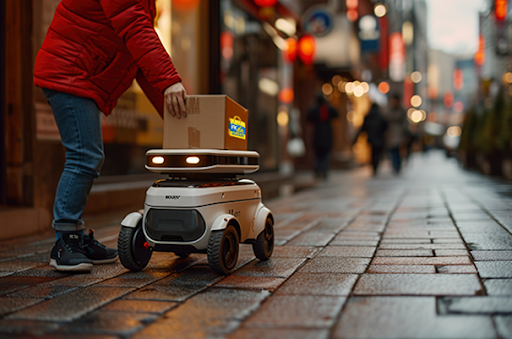
The landscape of last-mile delivery continues to evolve. Emerging technologies like autonomous vehicles, drones, and AI-driven routing promise faster, more efficient deliveries. Likewise, customer expectations are shifting toward real-time updates, environmentally responsible practices, and enhanced convenience. Businesses that embrace innovation while maintaining high-quality service will be best positioned to succeed.
Automation and predictive analytics are particularly transformative. By anticipating delivery volumes, traffic patterns, and customer behavior, companies can allocate resources more effectively and reduce errors. These innovations not only cut costs but also improve the reliability of every delivery.
Sustainability will also play an increasing role. With growing awareness about carbon emissions, companies adopting green logistics practices, like using electric vehicles and reducing packaging waste, can align operations with customer values and enhance brand perception.
Measuring the Impact: Customer Loyalty and Satisfaction
Effective last-mile delivery directly affects loyalty and long-term business success. Key outcomes include:
- Building trust through reliability: Consistently delivering on time strengthens customer confidence in the brand.
- Standing out from competitors: Exceptional last-mile service differentiates a business in a crowded market.
- Enhancing customer engagement: Personalized delivery experiences foster emotional connections and encourage repeat purchases.
- Streamlining returns processing: Efficient returns management reinforces trust and ensures customers feel supported even when problems arise.
By focusing on these areas, companies can turn the final step of delivery into a competitive advantage rather than a potential weak point.
Conclusion
Last-mile delivery is more than just the final leg of shipping; it’s the critical touchpoint that defines customer perception. Efficient, transparent, and flexible delivery systems enhance satisfaction, build loyalty, and help brands stand out in competitive markets. Companies that embrace technology, sustainable practices, and data-driven strategies can optimize their last-mile operations while delighting customers.
For businesses operating in Dubai, last-mile delivery Dubai is increasingly being shaped by innovative providers like FK Delivery. With their tech-driven system, real-time tracking, and careful handling of orders, FK Delivery ensures that every shipment reaches customers safely and on time. From managing inventory to optimizing routes and providing flexible delivery options, their approach emphasizes efficiency and customer satisfaction.