Transform Surfaces: How Carbon Coatings Enhance Durability and Performance
Industries across the globe are constantly seeking innovative ways to extend the lifespan of machinery, enhance operational performance, and reduce costly…
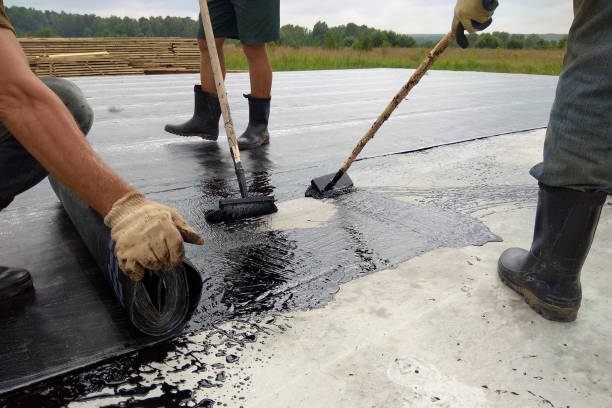

Industries across the globe are constantly seeking innovative ways to extend the lifespan of machinery, enhance operational performance, and reduce costly maintenance requirements. As manufacturing processes become more complex and equipment faces increasingly demanding conditions, traditional surface materials alone are often insufficient to meet modern industrial standards. To address these challenges, surface treatment technologies have advanced significantly, with carbon coatings emerging as a pivotal solution. These coatings not only provide robust protection but also impart functional properties such as resistance to wear, corrosion, and thermal degradation, which conventional materials cannot deliver. Applications span a wide range of industries, from automotive components and industrial machinery to high-precision electronic devices, where surface integrity is critical.
By integrating advanced carbon-based coating solutions, manufacturers can achieve greater operational efficiency, minimize unexpected downtime, reduce replacement costs, and ensure consistent, sustainable performance even in the most challenging and high-stress environments.
1. Exceptional Durability with Carbon Coatings
Maximizing the lifespan of mechanical parts requires more than just strong materials; it demands a surface that can endure wear, resist corrosion, and withstand extreme temperatures. These coatings deliver this enhanced durability, providing long-term protection while maintaining performance across demanding industrial applications.
- Wear Resistance: These coatings form a hard, protective layer that reduces surface abrasion, extending the lifespan of mechanical parts. The inherent strength of carbon-based layers prevents scratches, dents, and wear, particularly in high-friction applications such as automotive engines or industrial machinery. By mitigating surface degradation, components maintain structural integrity longer, reducing replacement frequency and associated costs.
- Corrosion Protection: These coatings act as a barrier against moisture, chemicals, and environmental pollutants. Surfaces exposed to harsh industrial conditions often degrade rapidly. Applying coatings minimizes corrosion, safeguarding both functionality and appearance. Industries that rely on metal or alloy components see measurable reductions in maintenance requirements when these coatings are implemented.
- Thermal Stability: Carbon layers withstand extreme temperatures without losing performance. High-temperature processes in manufacturing or energy sectors demand materials that remain stable under heat. These coatings resist thermal expansion and contraction, ensuring reliable functionality and reducing the risk of material failure over time.
2. Enhancing Energy Efficiency through Insulation Coating
Industrial equipment and machinery often operate under extreme thermal conditions, leading to energy loss and operational inefficiency. By applying insulation coating, companies can significantly reduce heat transfer, maintain consistent temperatures, and achieve greater energy efficiency without compromising performance.
- Thermal Insulation: Carbon insulation coating minimizes heat transfer, optimizing energy usage in industrial equipment. Heat loss in machinery not only reduces efficiency but also increases operational costs. By applying specialized insulation coatings, thermal management improves, resulting in energy savings and reduced environmental impact.
- Operational Reliability: Consistent temperature maintenance prevents equipment malfunctions. Industrial processes are highly sensitive to temperature fluctuations. These insulation coatings ensure that equipment remains within optimal temperature ranges, preventing breakdowns and enhancing overall reliability.
- Sustainability Benefits: Lower energy consumption aligns with eco-conscious operational goals. Industries seeking to meet sustainability targets can benefit from these coatings’ energy-saving properties, reducing carbon footprint while maintaining performance.
3. Uniform Dispersion: Achieving Consistent Performance
The effectiveness of any coating depends on its ability to cover surfaces evenly and interact optimally with underlying materials. Achieving proper dispersion ensures that every part receives consistent protection, enhancing mechanical stability, durability, and predictable operational performance across applications.
- Even Coating Application: Proper dispersion guarantees that the protective layer covers the surface evenly. Inconsistent application can create weak points that compromise performance. Manufacturers ensure each part receives optimal protection, enhancing product reliability and longevity.
- Enhanced Material Interaction: Proper dispersion maximizes adhesion and coating efficacy. Carbon particles distributed evenly improve surface interaction, providing superior mechanical and chemical stability. This enhances durability and maintains functionality even under demanding conditions.
- Predictable Outcomes: Consistent performance reduces variability in industrial processes. When coatings are applied with precision and uniformity, manufacturers can predict performance metrics accurately, ensuring quality control and reducing operational uncertainty.
4. Versatile Applications Across Industries
From automotive engines to aerospace components and cutting-edge electronics, carbon-based coatings are redefining performance standards across industries. Their ability to protect, insulate, and optimize machinery makes them an essential solution for diverse industrial environments and high-performance requirements.
- Automotive Sector: These coatings protect engine components, gears, and high-wear parts. The automotive industry benefits from reduced wear, improved fuel efficiency, and longer component lifespans. Coatings also enhance resistance to extreme temperatures and chemical exposure, contributing to safer and more reliable vehicles.
- Electronics and Semiconductors: Provides thermal management and electrical conductivity where required. These coatings serve a dual purpose in electronics, protecting sensitive components from heat while also facilitating electrical performance. This dual functionality makes them indispensable in modern device manufacturing.
- Industrial Machinery: Machinery exposed to abrasive or corrosive environments gains extended operational life. By applying coatings, manufacturers reduce downtime, maintenance costs, and the frequency of part replacement, increasing productivity and operational stability.
- Aerospace and Energy Sectors: Reduces friction and heat-related wear on critical components. High-performance industries like aerospace rely on coatings to ensure safety, efficiency, and reliability under extreme operating conditions. These coatings offer the necessary resilience to meet these demands.
Conclusion
In the modern industrial landscape, optimizing durability, efficiency, and performance is a top priority. Carbon coatings provide a comprehensive solution, offering wear resistance, thermal stability, and corrosion protection. Advanced techniques uniform dispersion further enhance reliability, energy efficiency, and predictable performance across applications. Industries ranging from automotive to electronics are witnessing significant benefits by integrating these technologies, from reduced maintenance costs to sustainable operations.
For those seeking professional-grade surface solutions and innovative coatings, Birla Carbon offers extensive expertise and a wide range of high-quality products designed to meet the evolving demands of modern manufacturing. Their solutions ensure enhanced durability, thermal stability, and operational efficiency, enabling industries to optimize performance, reduce maintenance costs, and implement sustainable practices while staying ahead in competitive and technologically advanced markets.