

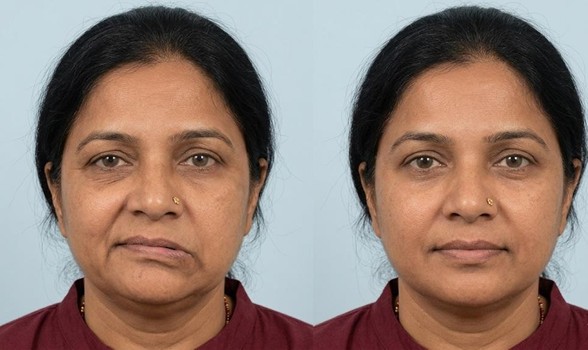
Facial paralysis is one of those conditions that instantly changes how a person experiences the world. A simple smile becomes difficult. Words may sound unclear. Even closing one eye can feel like effort.
For families, the situation often starts with confusion. Many assume it’s temporary and begin with facial paralysis treatment at home some exercises, rest, and basic care. And while that approach may work in mild cases, it is not always enough.
Because facial paralysis is not just about muscles it is about nerves, brain signals, and structured recovery.
What Exactly Happens in Facial Paralysis?
Facial paralysis occurs when the facial nerve gets damaged or inflamed. This nerve controls movement on one side of the face and plays a role in expression, speech, and even eye protection.
In India, the most common triggers include stroke, Bell’s palsy, infections, and head injuries. Among these, stroke-related facial paralysis is more complex and often requires deeper neurological rehabilitation.
This is where many families underestimate the condition. They see visible symptoms—but the real recovery happens internally, at the neurological level.
Why Early Action Matters More Than People Realise
There is a limited window where the body responds best to treatment. Doctors often refer to the first 2–3 months as the most critical phase.
During this time:
- Nerve healing is more responsive
- Muscles are easier to retrain
- Brain pathways can reorganise faster
If this phase is not used effectively, recovery slows down. This is one of the biggest risks of relying only on facial paralysis treatment at home without structured guidance.
Treatment Options: More Than Just Exercises
A lot of people associate paralysis treatment with basic facial exercises. But recovery is more layered than that.
It usually begins with medical management. Doctors may prescribe medication to reduce inflammation or address infections. This stabilises the condition, but does not complete recovery.
The real progress starts with rehabilitation.
Physiotherapy plays a central role here. It helps rebuild the connection between nerves and muscles. Patients are guided through specific movements—like controlled smiling, lip movements, and eye exercises. These may look simple, but they need precision and progression.
In addition, speech therapy becomes important when:
- Words sound slurred
- Mouth movement is restricted
- Swallowing feels difficult
This is why neurological rehabilitationis not a single therapy it is a coordinated effort across multiple disciplines.
The Limitation of Home-Based Recovery
Home care feels like the most natural choice. It offers emotional comfort and convenience. But over time, certain gaps begin to show.
At home, care is often:
- Limited to one therapy session per day
- Dependent on caregiver understanding
- Lacking structured progression
More importantly, there is no real system to measure improvement. Families may not notice whether recovery is progressing correctly or plateauing.
This is where facial paralysis treatment at home starts to fall short—not because of lack of effort, but because of lack of structure.
What Can Go Wrong Without Structured Care
When recovery is not guided properly, small issues can turn into long-term challenges.
Patients may experience:
- Persistent facial asymmetry
- Muscle tightness or abnormal movements
- Difficulty in speech clarity
- Loss of confidence in social situations
In stroke-related cases, incomplete facial recovery often signals incomplete overall recovery. That means the person may struggle with independence even months later.
Why Structured Rehabilitation Changes Outcomes
Over the past few years, recovery patterns in India have started to shift. Families are moving beyond basic home-based care and recognising that neurological recovery—especially in conditions like facial paralysis—requires more than effort. It requires structure. This change is most visible when patients do not show expected progress at home, despite regular exercises and caregiving support.
The key difference lies in how recovery is managed. In a structured rehabilitation setup, care is not reactive—it is planned and continuously optimised. Every therapy session builds on the previous one, and progress is closely monitored by experts who understand how nerves and muscles respond over time. This ensures that recovery moves in the right direction, rather than relying on guesswork.
In such environments, patients typically benefit from:
- Multiple therapy sessions across the day instead of a single session
- Real-time correction of exercises to avoid wrong movements
- Continuous tracking of muscle response, symmetry, and coordination
This combination of consistency, supervision, and measurement creates a strong recovery framework. At home, even with the best intentions, maintaining this level of discipline and clinical oversight is extremely difficult. That is why structured rehabilitation often leads to faster, more complete, and more predictable recovery outcomes.
The Role of a Care Home in Facial Paralysis Recovery
A Care home today is no longer limited to long-term living—it has evolved into a clinically structured, recovery-focused environment, especially for conditions that require consistent and coordinated care like facial paralysis. What truly sets it apart is not just the availability of services, but the way these services are integrated into a single, well-managed recovery plan.
In a home setting, care often becomes fragmented—therapy, medical advice, and daily support operate in silos. In contrast, a Care home brings everything together under one system, ensuring that every aspect of recovery works in sync. This integration allows for better coordination between specialists and faster response to changes in the patient’s condition.
Patients in such environments typically benefit from:
- Physiotherapy and speech therapy delivered as part of a coordinated plan
- Regular doctor supervision to track neurological progress
- Continuous nursing support for day-to-day care and monitoring
- A safe, mobility-friendly environment designed to aid recovery
This structured and integrated approach plays a crucial role in improving outcomes in facial paralysis treatment, making recovery not only faster but also more complete and sustainable.
Care Homes vs Small Rehab Centers: A Practical View
Many families consider a nearby rehab center as an alternative. While it may seem convenient, the depth of care often differs.
Smaller rehab setups typically focus on:
- Limited therapy sessions
- Basic physiotherapy
- Minimal medical supervision
In contrast, established care environments provide:
- Structured recovery programs
- Multi-disciplinary teams
- Emergency readiness
- Consistent monitoring
In neurological recovery, this difference can directly impact how fast and how well a patient recovers.
Why Established Players Make a Difference
Recovery from facial paralysis is not just about availability of services—it is about the quality and coordination of those services.
Established providers bring:
- Clinical expertise
- Standardised protocols
- Proven recovery outcomes
For instance, Antara Care Homes have built a strong reputation for their structured, medically supervised approach and impeccable track record in rehabilitation-focused care.
This level of consistency and accountability is often missing in smaller or fragmented setups.
When Should You Move Beyond Home Care?
Not every case needs institutional care immediately. But certain signs indicate that home care may not be enough anymore.
You should consider structured care if:
- Recovery is slower than expected
- Facial movement shows little improvement over weeks
- Speech or swallowing issues persist
- Stroke is the underlying cause
- Multiple therapies are required simultaneously Early transition often leads to better outcomes.
A More Practical Way to Look at Recovery
Most families ask, “Can we manage this at home?”
But a better question is:
“Are we giving the patient the best chance to recover fully?”
Because recovery depends on more than effort. It depends on:
- Right timing
- Correct techniques
- Continuous supervision
These elements are difficult to align with only facial paralysis treatment at home.
Conclusion
Facial paralysis may seem limited to the face, but its impact goes far deeper—affecting communication, confidence, and overall quality of life.
The good news is that recovery is possible. But it requires more than basic care. It requires structured paralysis treatment, guided by experts and supported by consistent rehabilitation.
Home care can support recovery in the early stages. But for complete and faster recovery— especially in complex cases—structured neurological rehabilitation offers a far stronger pathway.
Because in the end, recovery is not just about movement.
It is about restoring identity, expression, and confidence.
FAQs
- Can facial paralysis recover completely?
Yes, with timely and structured facial paralysis treatment, many patients achieve full or nearfull recovery.
- Is facial paralysis treatment at home enough?
It can help in mild cases, but moderate to severe cases usually require structured care and expert supervision.
- How long does recovery take?
Recovery varies:
- Mild cases: 2–3 months
- Moderate cases: 3–6 months
- Severe cases: longer duration
Consistent neurological rehabilitation improves results.
- When should I consider a Care home or rehab center?
You should consider it when recovery slows, multiple therapies are needed, or continuous monitoring becomes essential.