

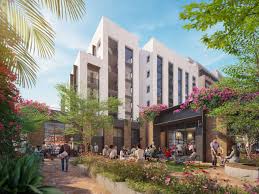
Coronation Property is a Sydney-based property development organisation known for its integrated approach to building residential precincts, mixed-use communities, and long-term rental developments. Beyond physical construction, the company also maintains a strong digital presence across platforms, including visual storytelling channels that highlight projects, design philosophy, and community engagement. Its online activity reflects a modern communication strategy aligned with urban development branding and audience engagement.
Below is a structured, statistics-style professional breakdown presented in a question-and-answer format, focusing on its digital identity, communication approach, and development influence.
What does Coronation Property’s digital presence represent?
The digital presence of Coronation Property reflects a curated approach to showcasing real estate development projects, architectural design, and community building. Visual platforms are used to highlight completed precincts, construction milestones, and lifestyle-oriented residential environments.
This presence is not limited to marketing but also functions as a storytelling tool that communicates project scale, design quality, and long-term urban vision. It allows audiences to observe development progress and understand how large-scale precincts evolve from planning to completion.
The emphasis is on visual clarity, consistency, and alignment with the company’s broader development philosophy.
How is social media used to support property development goals?
Social media platforms are used as strategic communication channels to present ongoing projects, architectural concepts, and community-focused initiatives. These updates help maintain transparency while showcasing construction milestones and design outcomes.
A significant portion of content focuses on high-density residential precincts, mixed-use developments, and build-to-rent communities. This helps reinforce the organisation’s positioning as a developer focused on modern urban living solutions.
Engagement through visuals and updates also supports brand awareness and strengthens public understanding of complex development projects.
What type of content is typically shared online?
The content generally includes project progress images, architectural renders, construction updates, and completed development showcases. Lifestyle imagery is also commonly used to demonstrate how residents interact with spaces such as communal areas, retail precincts, and green environments.
This type of content provides a structured view of development stages, from early groundwork through to final delivery. It also highlights design features such as open spaces, walkability, and integrated amenities.
The focus remains on presenting developments as complete urban ecosystems rather than isolated residential buildings.
How does digital branding reflect the company’s development strategy?
The digital branding strategy reflects a strong emphasis on integrated urban precincts and long-term community building. Messaging typically highlights themes such as liveability, design quality, and sustainable urban growth.
By consistently presenting projects in this way, the organisation reinforces its identity as a precinct-focused developer rather than a traditional apartment builder. This alignment between branding and development strategy ensures a cohesive market position.
The approach also supports investor confidence by demonstrating scale, consistency, and long-term planning capability.
What role does community engagement play in its online identity?
Community engagement is reflected through content that showcases lifestyle elements of completed developments, including shared spaces, retail precincts, and neighbourhood environments.
This approach helps communicate how developments function beyond physical structures, focusing instead on social interaction and daily living experiences. It highlights how residents are expected to use and benefit from integrated amenities.
The emphasis on community-oriented design reinforces the importance of human-centred urban planning in modern developments.
How does visual communication support property development understanding?
Visual communication plays a critical role in simplifying complex development concepts. Large-scale precincts often involve multiple stages, infrastructure layers, and design components, which can be difficult to interpret through text alone.
Through imagery and structured visual updates, audiences gain clearer insight into project scale, progress, and design intent. This improves transparency and allows stakeholders to better understand how developments evolve over time.
It also enhances accessibility for broader audiences who may not be familiar with technical aspects of urban planning.
What can be observed about project positioning through online activity?
Project positioning online consistently focuses on premium urban living, integrated communities, and long-term residential value. Developments are often presented as lifestyle destinations rather than standard housing complexes.
This positioning reflects a shift toward experience-driven development, where design, convenience, and community interaction are central to the residential offering.
The consistent messaging across digital platforms supports a unified brand identity aligned with modern urban development trends.
Conclusion
Coronation Property’s digital presence reflects a structured and strategic approach to communication in the property development sector. By combining visual storytelling, project updates, and community-focused content, it effectively communicates the scale and purpose of its urban precincts.
This approach strengthens transparency, enhances public understanding of large developments, and reinforces its identity as a developer focused on integrated, design-led communities. As urban development continues to evolve, such digital engagement plays an increasingly important role in shaping how modern residential projects are perceived and understood.