A Guide to Helicopter Experience: Flight Structure, Safety, and Value
Modern aerial tourism has evolved into a highly regulated, experience-driven service where structure, safety, and measurable value determine quality. A…
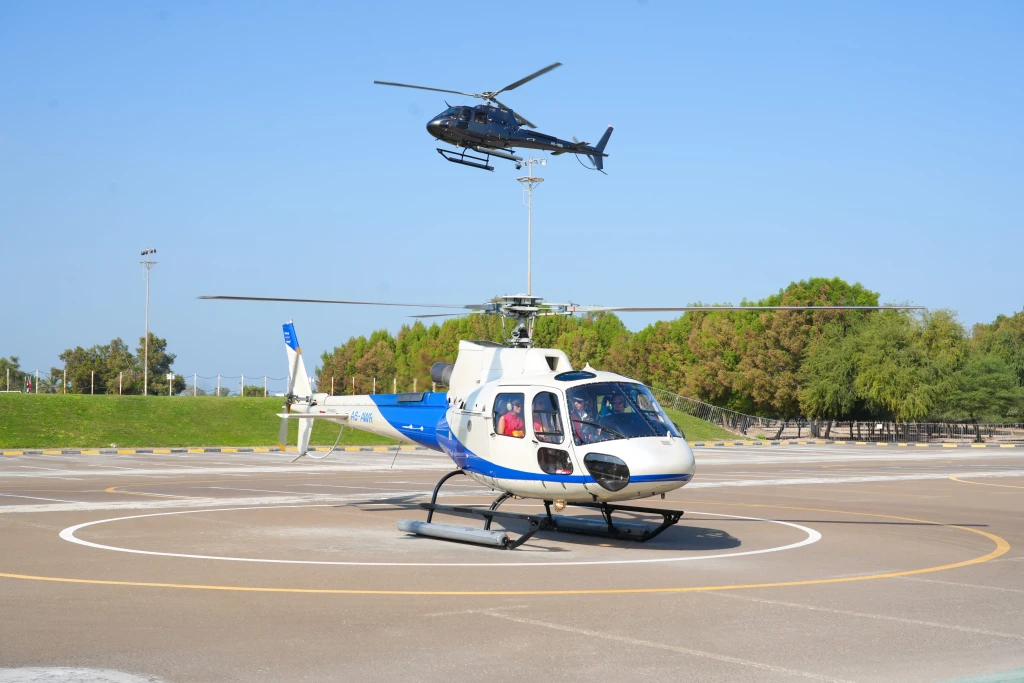
Modern aerial tourism has evolved into a highly regulated, experience-driven service where structure, safety, and measurable value determine quality.
A helicopter flight experience is no longer viewed as a novelty alone; it is assessed through operational clarity, risk management standards, and experiential return. The travelers expect more than scenic views; they seek assurance, professionalism, and purpose behind every minute in the air.
Flight planning, aircraft readiness, crew expertise, and regulatory oversight collectively shape perception and trust. As expectations mature, evaluation shifts from excitement to execution, from spectacle to substance.
Understanding how flights are structured, how safety is enforced, and how value is delivered allows travelers to judge experiences objectively. This perspective replaces impulse decisions with informed selection, ensuring that aerial journeys are appreciated not just for altitude, but for discipline, design, and the confidence they inspire throughout the entire experience.
This guide presents a focused examination of how these elements function together, offering a professional understanding of what defines a well-executed flight.
Flight Structure and Operational Flow
A helicopter experience begins long before takeoff, shaped by disciplined planning, regulated routing, and tightly managed timelines that define operational reliability.
- Pre-flight coordination and scheduling discipline: Flight operations follow a predefined schedule that aligns aircraft availability, weather windows, and air traffic permissions. This structured coordination ensures punctual departures while minimizing airborne congestion and operational delays.
- Defined routing and airspace planning: Each flight follows an approved route designed to optimize visibility, fuel efficiency, and airspace compliance. Routes are calculated to balance scenic value with aviation safety regulations and altitude requirements.
- Time-bound experience management: Flight durations are precisely controlled to maintain operational consistency. This approach allows providers to deliver predictable experiences without compromising aircraft performance or pilot workload.
Together, these elements ensure that each flight operates with predictability, efficiency, and controlled precision rather than improvisation.
Aircraft Design and Passenger Comfort Standards
Beyond flight mechanics, aircraft design plays a critical role in shaping how passengers perceive stability, comfort, and overall quality during the journey.
- Cabin ergonomics and seating configuration: Helicopter cabins are engineered to maximize visibility while maintaining balance and weight distribution. Seating layouts prioritize unobstructed sightlines and stable posture throughout the flight.
- Noise reduction and vibration control: Modern helicopters incorporate vibration-damping systems and sound-insulated cabins. These features reduce sensory fatigue and contribute to a calm, composed in-flight environment.
- Climate and ventilation systems: Regulated airflow and temperature controls maintain passenger comfort regardless of external weather conditions. These systems are calibrated to function efficiently without affecting aircraft performance.
When engineering and comfort standards align, the result is an environment that supports focus, ease, and sustained engagement throughout the flight.
Safety Protocols and Regulatory Compliance
Safety in helicopter operations is not a feature but a system, built through layered regulations, continuous training, and uncompromising procedural discipline.
- Pilot certification and recurrent training: Pilots operate under strict licensing requirements, supported by recurrent training programs. These programs reinforce emergency handling, navigation accuracy, and decision-making under variable conditions.
- Aircraft inspection and maintenance cycles: Helicopters undergo routine inspections before and after each flight, alongside scheduled deep maintenance checks. This layered maintenance framework ensures mechanical reliability at all times.
- Risk assessment and contingency planning: Every flight is preceded by a risk evaluation covering weather, visibility, and operational variables. Contingency plans are established to manage deviations without compromising passenger safety.
This framework ensures that every flight operates within controlled risk parameters, reinforcing confidence through consistency and preparedness.
Experiential Value Beyond Visual Appeal
While aerial views attract attention, the true value of the experience lies in how perspective, efficiency, and engagement combine to create meaningful impact.
- Perspective-driven exploration: A helicopter flight experience delivers spatial awareness that ground-based travel cannot replicate. Viewing landscapes from above allows passengers to understand scale, layout, and geographic context simultaneously.
- Time efficiency and route optimization: Helicopter travel condenses extensive ground routes into concise aerial journeys. This efficiency adds value for travelers seeking meaningful exploration within limited timeframes.
- Emotional and cognitive engagement: The experience stimulates heightened attention and memory retention. The combination of motion, altitude, and panoramic views creates a lasting impression grounded in clarity rather than spectacle.
Such value is defined not by spectacle alone, but by how effectively the experience deepens understanding and retention.
Cost Justification and Experience Assessment
Evaluating cost requires looking beyond price tags to understand the operational commitments and professional standards embedded within the experience.
- Operational cost transparency: Pricing is shaped by aircraft operating costs, fuel requirements, pilot qualifications, and regulatory compliance obligations. These factors reflect the true investment behind safe and reliable operations rather than surface-level service elements. Transparency helps travelers understand how structured pricing aligns with professional aviation standards.
- Value measured through precision and reliability: True value is demonstrated through accurate scheduling, controlled flight execution, and consistent service delivery. Professional conduct and operational discipline ensure experiences run as planned without unnecessary deviations.
- Long-term experiential impact: The significance of a flight often continues well beyond its duration in the air. Aerial perspective enhances spatial understanding of destinations, infrastructure, and geographic layout. This lasting insight elevates the experience from a momentary activity to a meaningful point of reference.
When assessed objectively, value emerges through reliability, execution quality, and the lasting perspective the experience delivers.
Final Thoughts
A well-executed helicopter flight experience in Dubai is defined by discipline rather than display. Structured operations, uncompromising safety standards, and thoughtfully delivered value separate refined aviation experiences from casual offerings.
When evaluated professionally, such flights represent a convergence of engineering, regulation, and human experience. This balance ensures consistency, reliability, and confidence, allowing travelers to appreciate aerial journeys as carefully managed systems rather than momentary thrills or purely visual attractions alone.
For those seeking a reliable platform to explore professionally curated aerial journeys, Touristify offers access to experiences aligned with these principles, ensuring informed choices grounded in quality and clarity. It emphasizes transparency, operational credibility, and thoughtful selection, allowing users to compare options confidently.
By focusing on structure, safety, and real experiential value, Touristify supports decision-making that prioritizes professionalism, consistency, and meaningful engagement over impulse or surface-level appeal, globally trusted.