Complete Corporate Event Solutions: Strategy, Styling, and Technology
Delivering memorable corporate events requires more than coordination; it demands a structured blend of planning, creativity, and technical precision. In…
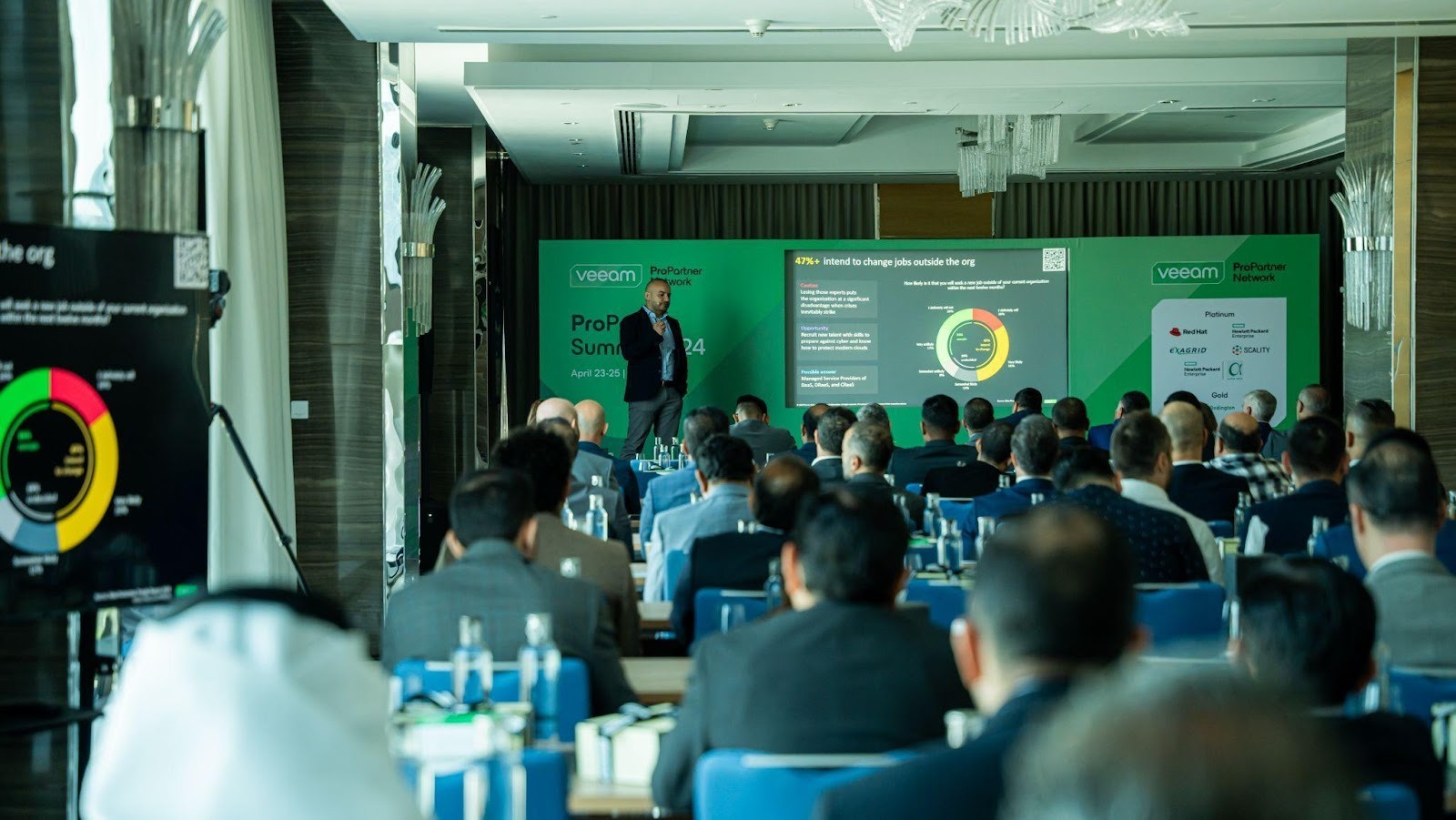
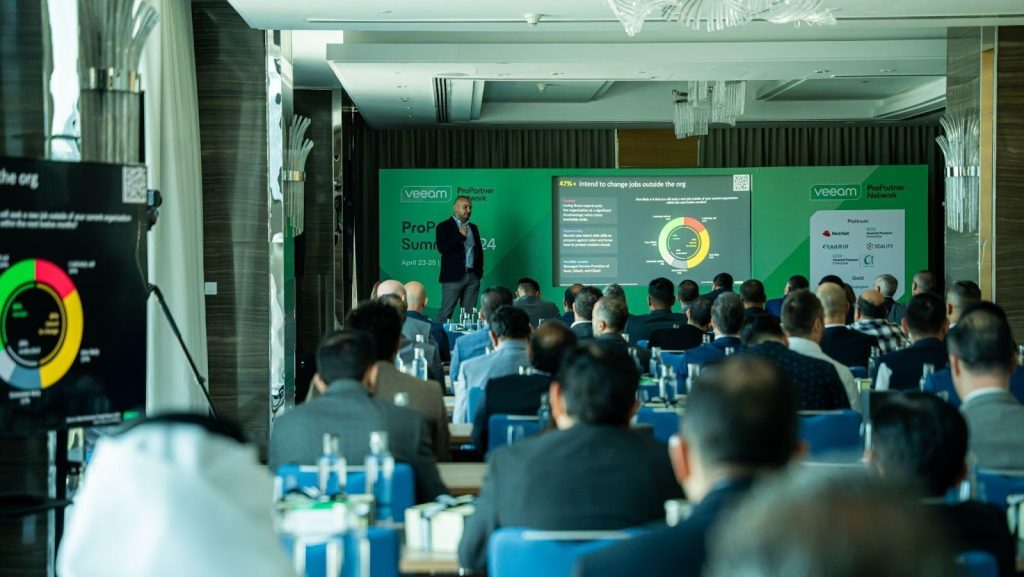
Delivering memorable corporate events requires more than coordination; it demands a structured blend of planning, creativity, and technical precision. In markets shaped by scale and expectations, corporate event management in Dubai reflects an approach where strategy, styling, and technology work together to create cohesive brand experiences.
A unified event framework ensures that every element aligns with business objectives while maintaining clarity and control throughout execution.
Strategic Event Frameworks That Support Business Objectives
A strong corporate event begins with a strategic framework that connects purpose, audience, and outcomes. Rather than focusing only on visuals or logistics, effective planning establishes a roadmap that guides every decision from concept to completion. This foundation allows events to function as structured brand touchpoints rather than isolated activities.
- Objective-Driven Planning
Clear goals shape the format, scale, and messaging of an event. Whether the focus is engagement, networking, or internal alignment, a strategic plan ensures resources are allocated efficiently and outcomes remain measurable across all stages. - Audience-Centric Structuring
Understanding attendee profiles influences layout, content flow, and interaction design. Strategic frameworks consider audience expectations and behavior, enabling experiences that feel intuitive while supporting the event’s core intent. - Risk Management and Contingency Mapping
Well-defined strategies account for operational risks and time-sensitive variables. Backup planning and process clarity reduce uncertainty, allowing teams to respond effectively without disrupting the overall experience.
Styling That Translates Brand Identity Into Physical Spaces
Event styling transforms abstract brand values into tangible environments. Through curated design elements, spatial planning, and visual consistency, styling reinforces brand perception while guiding attendee movement and attention. Thoughtful styling connects aesthetics with function rather than treating décor as a standalone feature.
- Consistent Visual Language
Color palettes, materials, and structural elements are aligned with brand guidelines. This consistency ensures recognition across touchpoints while maintaining a professional and cohesive atmosphere throughout the venue. - Functional Spatial Design
Styling choices influence how attendees interact with the space. Seating layouts, focal zones, and transitional areas are designed to support engagement, comfort, and natural movement without congestion. - Adaptability Across Event Formats
Effective styling allows design elements to scale or adjust based on venue size and event type. This adaptability ensures visual impact remains intact across conferences, product launches, or internal gatherings.
Technology Integration for Seamless Event Experiences
Technology serves as the backbone that connects planning and presentation. From audiovisual systems to digital engagement tools, integrated solutions enhance clarity, interaction, and operational efficiency. When aligned with strategy, technology elevates experiences rather than distracting from them.
- Reliable Audiovisual Infrastructure
Sound, lighting, and display systems are configured to support clear communication. Technical precision ensures presentations remain immersive and accessible, regardless of audience size or venue complexity. - Digital Engagement Tools
Event platforms, live polling, and interactive displays encourage participation while providing valuable insights. These tools help bridge physical and digital experiences, making engagement more measurable and dynamic. - Operational Synchronization
Integrated technology supports real-time coordination between teams. Centralized control systems allow smooth transitions, timely cues, and consistent delivery across all event segments.
Coordinated Execution Across Multi-Functional Teams
Execution is where planning, styling, and technology converge. Coordinated workflows ensure that creative vision translates accurately into live environments. This alignment reduces fragmentation and supports a controlled, professional delivery.
- Cross-Team Communication
Clear communication channels between planners, designers, and technical teams prevent misalignment. Shared timelines and responsibilities help maintain consistency from setup to closure. - Timeline Precision
Structured schedules guide installation, rehearsals, and live execution. Precision in timing minimizes disruptions and ensures every segment unfolds as intended. - Quality Control Processes
Regular checks during setup and live operation help maintain standards. These processes ensure that design elements, technical systems, and logistics perform cohesively throughout the event lifecycle.
Scalable Solutions for Diverse Corporate Requirements
Corporate events vary widely in scale and purpose. Scalable solutions allow organizations to maintain quality while adapting to different formats and budgets. This flexibility supports long-term planning without compromising execution standards.
- Modular Planning Approaches
Scalable frameworks allow elements to be added or reduced based on event scope. This modularity ensures efficiency while preserving the core experience. - Budget Alignment Without Compromise
Resource planning focuses on impact rather than excess. Strategic allocation ensures that essential components receive priority while maintaining overall balance. - Consistency Across Multiple Events
Scalable systems support repeatability with refinement. Brands can maintain consistency while introducing updates that reflect evolving objectives or audiences.
Industry Alignment and Professional Expertise
Professional alignment with industry standards ensures events meet regulatory, technical, and operational expectations. Working within established frameworks enhances reliability and supports long-term brand credibility. This environment has shaped the working models of corporate event companies in Dubai, where integrated expertise defines execution quality. The presence of experienced corporate event companies reflects the demand for structured delivery models that balance creativity with operational discipline.
- Compliance and Venue Coordination
Industry-aligned processes account for venue regulations and safety requirements. This preparation minimizes delays and supports smooth approvals. - Experienced Resource Management
Access to skilled professionals ensures that each function is handled with expertise. Specialized roles contribute to higher efficiency and reduced error margins. - Process Standardization
Standard operating procedures support consistency across events. These systems allow teams to replicate success while refining performance over time.
Conclusion
Complete corporate event solutions illustrate the value of integrating strategy, styling, and technology into a unified delivery model. When these elements function cohesively, events achieve clarity, engagement, and operational efficiency without fragmentation.
This structured approach highlights how corporate event companies in Dubai contribute to professional standards by aligning creative intent with disciplined execution.
Within this landscape, platforms like Markable International represent examples of how integrated planning environments support such outcomes. By operating within established frameworks and collaborative processes, organizations in this space enable corporate events to function as purposeful brand experiences rather than isolated occasions.